A General Dentist Explains How Sugar Affects Teeth
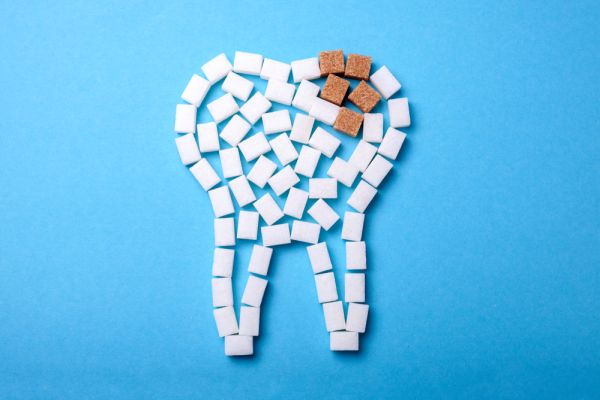
Talk to a general dentist, and they will tell you sugar is one of the worst things you can expose your teeth to. Our increased consumption of sugar infused foods and beverages is one of the reasons why tooth decay is one of the biggest issues dentists deal with.
A general dentist breaks down what sugar does in your mouth
There are two main ways sugar negatively affects a person's teeth. For starters, sugar is acidic in nature and that is not good for tooth enamel. When left on teeth surfaces, it eats away at the enamel, forming holes called cavities. The damage will continue until it reaches the tooth's pulp chamber. It can lead to an infection of the nerve and soft tissues there.
In addition, the millions of bacteria that are naturally present in a person's mouth love eating sugars. They excrete acids after their meals and these acids wear off the enamel. When a person consumes lots of sugar, they increase their vulnerability to tooth decay.
How to eat sugar and have healthy teeth
Most people are not going to permanently write off sugar simply because they know it is bad for their teeth. It is added to many of the things most people consume and it does make things taste great. Here are some tips from a general dentist that make it possible to consume sugar and maintain healthy, decay-free teeth:
1. Brush each night
Dentists recommend brushing twice a day, and one of those brushing sessions should be right before going to bed. Bacteria and sugars build up in the mouth during the day, and it is best to get rid of them before going to sleep. Saliva production is reduced during sleep, so any acids in the mouth will do more damage.
2. Rinse with water after consuming sugars
Sugar softens tooth enamel so brushing right after eating or drinking something sugary can end up doing more damage than good. A better option is to rinse the mouth with water immediately afterward. This helps to get rid of most of the sugar out while saliva does the rest.
3. Do not snack or drink sweet things all day
If a person is going to consume something that contains sugar, it is best to do it quickly. Sipping on sweet drinks or munching on snacks all day leaves acids on tooth surfaces for prolonged periods of time. A person who enjoys something sweet and rinses their mouth with water afterward only has sugar on their teeth for a limited amount of time.
4. Get preventative treatments
Fluoride treatments and dental sealants can be used to protect a person's teeth against tooth decay. It provides a protective layer on the biting surfaces of a person's teeth.
5. Get regular checkups
Regular checkups ensure any decay is treated in its early states. It gives the dentist a chance to perform a cleaning, which protects against tooth decay.
The bottom line
When was the last time you were checked out by a general dentist? Contact our office and get examined today.
Request an appointment here: https://www.carolinasmilesdentist.com or call Carolina Smiles Family Dental at (828) 884-3702 for an appointment in our Brevard office.
Check out what others are saying about our services on Yelp: Read our Yelp reviews.
Recent Posts
Wondering what a restorative dentist can do about worn-down teeth? Read on to learn more. It is normal for teeth to wear down. However, it becomes problematic if the rate of wear is disproportional to the patient's age. This common dental issue weakens the teeth and also makes the tooth less appealing. A few oral…
Smile imperfections can dampen the way you see yourself. Fortunately, there are various to improve or correct them. One of the most common is dental bonding. This smile restorative can enhance smiles and their function in as little as one appointment.Dental bonding is a cosmetic procedure that uses tooth-colored composite resin to form the shape…
Oral surgery consultations help patients understand their diagnosis, treatment options, and next steps before a surgical procedure begins. This first appointment gives the dental team time to review the patient’s needs, answer questions, and create a plan that supports comfort, safety, and long-term oral health. Many patients feel nervous before this visit, especially if they…
Dental bonding can be an effective treatment option if you have chipped, cracked, or discolored teeth. It offers a minimally invasive approach to helping you achieve a brighter, more confident smile. However, before you pursue dental bonding to transform your teeth, there are a few things you should know.Dental bonding, also known as composite bonding…