 Dental bonding is a great way to restore teeth that have damage such as worn-down enamel, chips, and cracks. Continue reading to learn more about dental bonding. Dental bonding can also address cosmetic concerns in many instances as well, such as short teeth, gaps between teeth, and severe teeth stains.
A review of dental bonding for damaged teeth
The best way to determine whether dental bonding or another form of restorative or cosmetic dentistry is right for you is to schedule a visit with a dentist. However, the following is a detailed overview to help you make a more informed treatment decision.
The dental bonding procedure explained
Dental bonding involves applying a tooth-colored composite resin material to teeth, which is then hardened with the use of a special curing light. The procedure does not require much (if any) special tooth preparations. While it may take some time to get used to the new feel of bonded teeth, the recovery is very simple and easy for patients who choose dental bonding to repair damaged teeth.
The pros and cons of dental bonding
One of the most notable benefits of dental bonding is that it does not require the removal of any enamel. This is not the case with alternative solutions such as dental veneers. The procedure is also relatively affordable and safe for the patient. Bonding is one of the more common dental procedures as well, so the results are more predictable than those from some less proven methods. However, dental bonding may not last nearly as long as dental veneer treatment.
The purpose of dental bonding for repairing damaged teeth
There are many types of tooth damage, particularly as it relates to the enamel. The most common types of damaged teeth that dental bonding can address are:
- Worn-down enamel
- Dental cavities
- Tooth chips
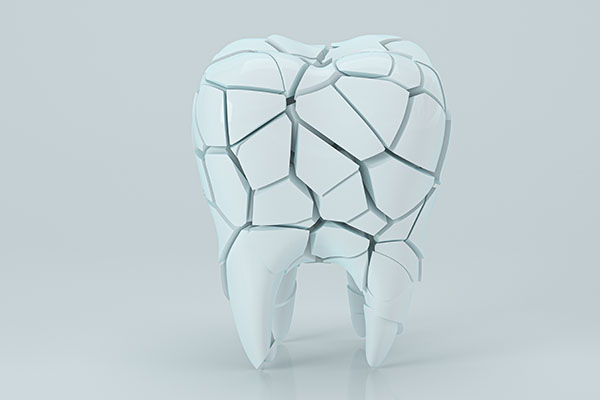
- Cracked teeth
- Tooth stains
Depending on the level of severity, dental bonding is often one of the most commonly recommended solutions for these oral health and cosmetic concerns.
Signs that indicate a need for dental bonding restoration
It is important to understand the signs that indicate a need for damaged tooth restoration before the issue worsens and requires more extensive treatment. Most notably, patients should visit the dentist for restorative treatment if their teeth show signs of discoloration, damage (e.g. chips and cracks), or cavities develop.
Alternative solutions to dental bonding
Perhaps the most similar alternative to dental bonding is dental veneers, although there are important differences between the two. Dental veneers most often require a small amount of enamel to be removed to allow for an ideal fit for the veneer(s). This is not generally the case for dental bonding. However, dental veneers can last much longer than bonding with proper care.
Ready to improve your smile with dental bonding?
Contact our dental office to schedule a visit to discuss dental bonding and other restorative solutions for damaged teeth.
Request an appointment or call Carolina Smiles Family Dental at 828-884-3702 for an appointment in our Brevard office.
Recent Posts
Smile imperfections can dampen the way you see yourself. Fortunately, there are various to improve or correct them. One of the most common is dental bonding. This smile restorative can enhance smiles and their function in as little as one appointment.Dental bonding is a cosmetic procedure that uses tooth-colored composite resin to form the shape…
Dental bonding can be an effective treatment option if you have chipped, cracked, or discolored teeth. It offers a minimally invasive approach to helping you achieve a brighter, more confident smile. However, before you pursue dental bonding to transform your teeth, there are a few things you should know.Dental bonding, also known as composite bonding…
Dental bonding may be the most versatile tool a general dentist can use to improve the smile's appearance. Of all the cosmetic dental treatments, one could argue that dental bonding has the widest range of uses. If you are considering dental bonding to improve the overall look of your smile, it may be the only…