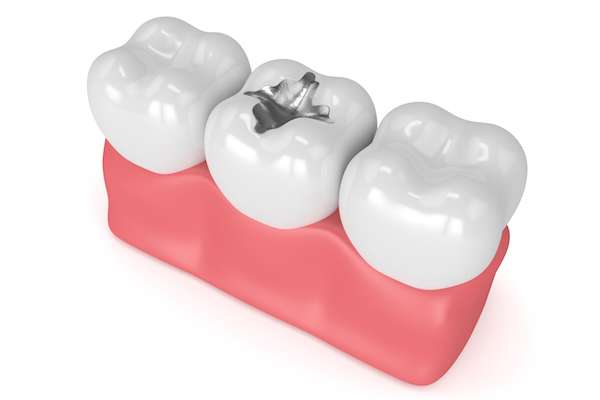
When a tooth develops decay, it can be restored to normal function through a dental filling by a family dentist. Decay that does not cause pain is often discovered through routine dental visits, but sometimes cavities are symptomatic. While the type of filling recommended by the dentist depends on the location and size of the damage, this simple dental procedure follows similar steps each time.
How a family dentist performs a filling
Dental fillings are common dental procedures that address the presence of cavities. When one is found during a dental exam, the dentist follows a standard set of procedures to correct the problem.
Evaluation and planning
During an annual dental check-up, a family dentist evaluates the patient's teeth for signs of decay. If any is present, the provider creates a plan of care to address it. or glass ionomer material.
This typically includes scheduling a time to remove the decayed part of the tooth and then filling the resulting hole with a composite resin, amalgam, gold, ceramic, or glass ionomer material. The chosen filling material depends on several factors, including the location of the cavity, age of the patient, size of the damage, budget, and preference of the patient.
Pain prevention
Since cavity removal can sometimes involve access to the nerve root of the tooth, pain prevention may be recommended before the procedure begins. Some patients who have a history of anxiety during dental procedures may also request additional medication to lessen nervousness.
Decay removal
After the area surrounding the decayed tooth is numb, the dentist uses a special handheld drill to remove the damaged area completely. After the removal, the area is cleansed thoroughly to remove any remaining debris and prevent infection.
Filling process
Once all signs of decay have been removed from the tooth and the area has been disinfected, the resulting hole must be filled with a type of dental material to replace the missing portion. If the hole is deep enough to reach the pulp, a protective liner material may be placed over the pulp before the filling material is added. Most types of fillings are cured and hardened with a special light, after which the dentist polishes and smooths the surface of the tooth to make it ready for use.
Post-procedure care
After the filling process is complete, it may take a little while for the numbness to subside. During this time, it is important to take care while eating or drinking to avoid accidental damage to the lips. Further post-procedure care may involve a follow-up appointment to make sure everything went well with the process. Patients should receive instruction about recommended oral hygiene steps to learn how to avoid cavities in the future.
Conclusion
Fillings are one of the most common restorative procedures performed at a family dentist’s office. Most dentists follow a similar series of steps to ensure a positive outcome and help prevent future cavities from forming.
Request an appointment or call Carolina Smiles Family Dental at 828-884-3702 for an appointment in our Brevard office.
Recent Posts
No matter your stage in life, maintaining a healthy smile is important. Regular visits to a family dentist provide comprehensive care for people of all ages, ensuring a lifetime of healthy smiles. These routine check-ups address immediate concerns, can prevent future dental issues, and provide you and your family with the information you need to…
Maintaining optimal oral health requires consistent care and professional guidance. A family dentist plays a crucial role in ensuring the dental well-being of individuals of all ages. From preventive care to addressing specific concerns, regular visits to a family dentist provide comprehensive services that help maintain healthy teeth and gums while preventing potential oral health…
Seeing your family dentist for regular checks and treatments can maintain or improve your dental health. You can avail of basic treatments during your visits. Knowing what each one is can help you make informed decisions. Here are the common treatments that you can get from your family dentist.Cavities may worsen over time. Dental decay…