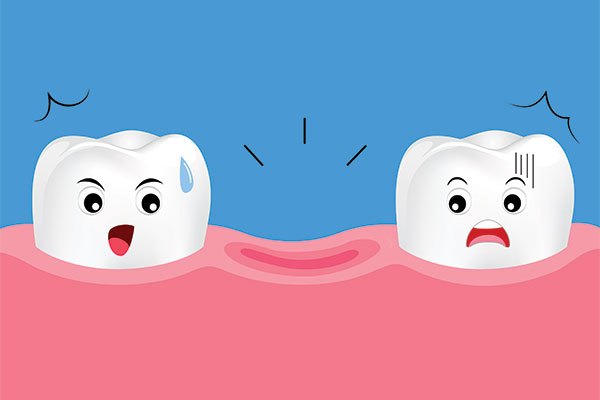
A knocked-out tooth, like any dental emergency, demands quick attention and a visit to an emergency dentistry clinic. With the lockdown in place due to COVID-19, it would help to know how you can care for your teeth and gums and what to expect when you finally get to see the dentist. In most situations, the steps you take in the moments following the emergency determines the outcome. The crucial part is to contact the dentist immediately.
Dealing with a knocked-out tooth
Due to the coronavirus pandemic, dental offices have suspended routine or less urgent dental appointments except for emergency dentistry procedures only. When a tooth is knocked out, patients need to pay attention to other signs, including bleeding and oral pain. If a forceful impact to the head caused the injury, or if the person is unresponsive, a visit to the nearest emergency room might be in order.
Seeing a knocked-out tooth can be traumatizing, so it is essential to stay as calm as possible during the situation. Calling a dental or medical professional as soon as possible is the most effective course of action to learn how to proceed.
First Aid
One can control the bleeding by biting down on a clean dressing or gauze. Pick the tooth by the crown and not the root to avoid infection. There is a chance to restore the tooth to its socket, but before then, the patient must keep it safe. It is possible to store the tooth in milk, egg white, or a clean cloth with the person’s saliva. The chances of restoring the tooth to its socket are higher if the patient gets dental care within an hour of the incident.
Some sources suggest trying to put the tooth back into place, but this may cause the victim to swallow the tooth accidentally. By using the options advised above and avoiding saline or alcohol-based solution, the tooth will remain intact with its nerve, with minimal touching of the tooth.
While going to an emergency dental clinic, one can use a cold compress to alleviate the pain and reduce any swelling around the affected part. If bleeding continues, placing pressure over the area with the gauze will help to stop or reduce the bleeding. Avoid eating or drinking anything, including medications, as it could disrupt the condition of the oral cavity.
At the emergency dental office, the dentist will assess the condition and restore the tooth to its position if possible. They will typically use splints for the tooth and support it to nearby teeth for a week or two. If the bone holding the tooth was affected, the splint might remain in place for six to 10 weeks. Root canal treatment is generally necessary for re-implanted teeth.
Stay informed
Accidents are mostly unpredictable, but one can take measures to minimize their occurrence. Avoid chewing or biting on hard substances, and remember, the teeth should not be used as a tool. Patients also need to learn how to emergency dentistry situations and protect themselves as the lockdown continues. If you experience a knocked-out tooth, reach out to the dentist immediately for recommendations. They will inform you of the necessary protocols to observe before coming to the dental clinic.