What to Expect When Getting Dental Veneers [Cosmetic Dentist]
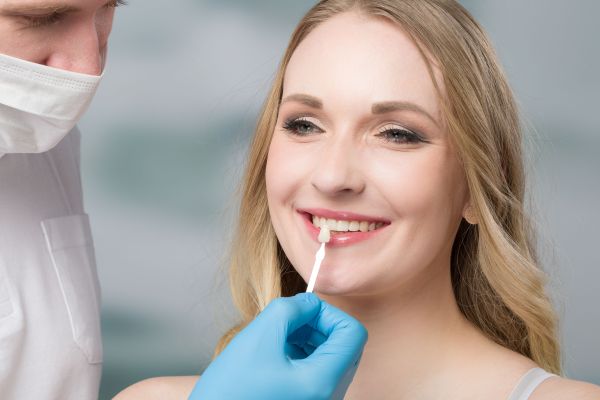
For a great way to improve the appearance of a smile while also dealing with potential oral health and functional concerns, many patients choose dental veneers. Cosmetic dentists offer these veneers, and it is helpful to understand how the placement and aftercare process works when deciding on treatment.
The dental veneers process
Every cosmetic dentist has a unique treatment process and each patient is unique, but there are certain steps that are commonly involved with the placement of dental veneers. The following is an overview of the four-step process most dentists use.
The initial consultation
The first step in the dental veneers treatment process is for the patient to schedule a visit with the cosmetic dentist. During this initial consultation, which many dental offices offer for free, the dentist will typically conduct a thorough oral examination and discuss treatment goals with the patient. The cosmetic dentist will also explain the veneer process in greater depth, answering any questions the patient may have about treatment. After discussion and treatment recommendations, the patient should be in a good place to make an informed decision about whether to proceed.
Mouth preparation
The dentist may recommend preparations before dental veneers are applied, such as a routine or deep cleaning or gum disease treatment. However, in many instances, the patient does not need much preparation, as veneers treat most minor oral health concerns such as teeth staining and weakened enamel. Once the patient’s oral health is in good condition and they are ready to move forward, the cosmetic dentist will determine the proper shade for the veneers and order the customization of the overlays.
The placement procedure
Once the veneers arrive back from the laboratory, a day and time are scheduled for the placement procedure. Before the placement, a small amount of enamel might need to be removed from the surface of the teeth to make room for veneers. This preparation is generally painless for patients. After this, each veneer is placed and properly positioned on the existing tooth to complete the restoration.
Aftercare
There are fewer dietary and lifestyle restrictions for veneers aftercare as there are likely to be with dental crowns or other more complex restoration solutions. However, the cosmetic dentist may provide aftercare instructions, such as instructing the patient to avoid certain foods for the first twenty-four hours, explaining how to properly brush with the new veneers and more. After the placement process, be certain to ask the cosmetic dentist any questions about the aftercare process to ensure a smooth transition to a new life and smile with dental veneers.
Talk to a cosmetic dentist about veneers
Get in touch with us today to learn more about how we help patients improve the appearance of their smile through dental veneers and to schedule a visit to start the treatment process. We believe every patient should have the opportunity to enjoy a pleasing smile and no one should feel insecure due to imperfections with their teeth.
Are you considering dental veneers in the Brevard area? Get more information at https://www.carolinasmilesdentist.com.
Check out what others are saying about our services on Yelp: Read our Yelp reviews.
Recent Posts
Wondering what a restorative dentist can do about worn-down teeth? Read on to learn more. It is normal for teeth to wear down. However, it becomes problematic if the rate of wear is disproportional to the patient's age. This common dental issue weakens the teeth and also makes the tooth less appealing. A few oral…
Smile imperfections can dampen the way you see yourself. Fortunately, there are various to improve or correct them. One of the most common is dental bonding. This smile restorative can enhance smiles and their function in as little as one appointment.Dental bonding is a cosmetic procedure that uses tooth-colored composite resin to form the shape…
Oral surgery consultations help patients understand their diagnosis, treatment options, and next steps before a surgical procedure begins. This first appointment gives the dental team time to review the patient’s needs, answer questions, and create a plan that supports comfort, safety, and long-term oral health. Many patients feel nervous before this visit, especially if they…
Dental bonding can be an effective treatment option if you have chipped, cracked, or discolored teeth. It offers a minimally invasive approach to helping you achieve a brighter, more confident smile. However, before you pursue dental bonding to transform your teeth, there are a few things you should know.Dental bonding, also known as composite bonding…