When a Dentist Would Recommend Dental Bonding
Dental bonding is a common procedure in which the dentist uses a tooth-colored material called resin to fill in gaps and repair cracked or chipped teeth. Though bonding is a safe, low-maintenance procedure, it is not appropriate for all teeth or all patients who need a tooth repaired. When performed correctly, this option is a good choice for patients with minor damage to one or a few teeth who do not have certain preexisting health conditions that would complicate the treatment process.
When would a dentist recommend dental bonding?
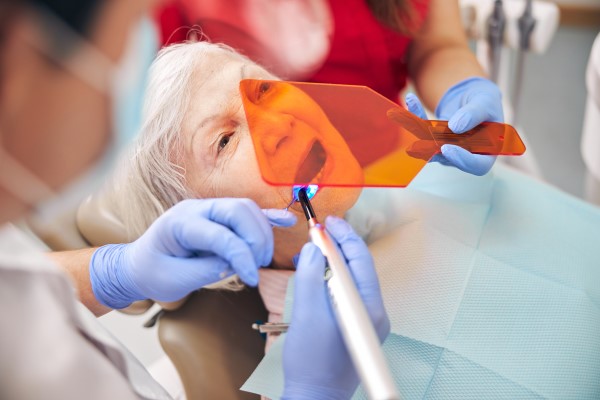
A bonding appointment involves preparing the tooth for the resin, which will typically involve cleaning and drying the tooth. The dentist will then apply the resin to the tooth and ask the patient to be still while trimming, sanding, or molding the resin into the correct shape that matches the tooth or teeth involved. Overall, the appointment takes about 30 minutes to one hour to complete. Dental bonding is recommended in the following situations:
- Fixing cracked or chipped tooth: Bonding is recommended for minor tooth damage that has not affected the root of the tooth or the surrounding gums. It can help restore the look of a whole tooth while also protecting it from complications in the future. Even small chips or cracks can make a tooth more susceptible to decay and infection. This type of repair helps seal the tooth and keep bacteria from quickly entering the soft inner tissues.
- Closing gaps between teeth: Patients may opt for bonding instead of other methods to close small gaps between teeth. Bonding material can be used to repair gaps in the front, most visible teeth so that the patient is happier with the resulting smile. This can also prevent larger food particles from getting trapped between teeth, helping to lower the risks of tooth decay.
- Making teeth appear longer: Sometimes patients’ permanent teeth are very short because of genetics or because the patient has a bruxism habit. While tooth size is typically not harmful to the patient, longer teeth are often desired for aesthetic purposes. Bonding can help extend the length of teeth. Keep in mind that a continuous habit of clenching or grinding teeth will likely weaken or damage dental bonding. Talk with a dentist about which treatments can help, such as therapy, injections, stress management, or the use of custom dental appliances while sleeping.
- Improving the appearance of the teeth: Patients do not need to have a gap, a chip, or a crack in a tooth to take advantage of dental bonding procedures. This process can be used to make teeth appear brighter and healthier. Many people opt for dental bonding when their teeth do not respond to traditional whitening options. This may include teeth that have a gray appearance because of age or past trauma.
When is dental bonding not appropriate?
Dental bonding is not a good choice for patients who have many cracked teeth or outstanding cavities that have not yet been filled. Likewise, patients with gum disease or medical conditions that affect the mouth should check with their dentist to determine whether bonding is appropriate. If the dentist does not approve the bonding, this does not mean that the patient will never be able to have a tooth bonded — it may simply indicate that other, more pressing issues should be taken care of before aesthetic complaints. If the patient needs a root canal, for example, this would be the dentist’s priority. Often, minor issues such as gingivitis and cavities may be addressed first or at the same time as the bonding.
If the damage to a tooth is extensive, bonding is not the typical treatment of choice. Instead, a dentist will likely recommend veneers for teeth toward the front of the mouth or crowns for teeth toward the back. Both procedures are more invasive and irreversible, but the application technique and materials are more durable and better suited to treat serious damage.
Conclusion
Dental bonding is a good option for patients with minor damage to the teeth, gaps, or very short teeth. Appointment times for bonding are typically short, and little to no follow-up care is needed after the appointment. The bonding material will simply function similarly to the surrounding teeth. Proper at-home and professional care are essential to help make the results last as long as possible. Talk with a dentist today to find out if dental bonding is right for you.
Request an appointment here: https://www.carolinasmilesdentist.com or call Carolina Smiles Family Dental at (828) 884-3702 for an appointment in our Brevard office.
Check out what others are saying about our dental services on Yelp: Dental Bonding in Brevard, NC.
Recent Posts
Smile imperfections can dampen the way you see yourself. Fortunately, there are various to improve or correct them. One of the most common is dental bonding. This smile restorative can enhance smiles and their function in as little as one appointment.Dental bonding is a cosmetic procedure that uses tooth-colored composite resin to form the shape…
Dental bonding can be an effective treatment option if you have chipped, cracked, or discolored teeth. It offers a minimally invasive approach to helping you achieve a brighter, more confident smile. However, before you pursue dental bonding to transform your teeth, there are a few things you should know.Dental bonding, also known as composite bonding…
Dental bonding may be the most versatile tool a general dentist can use to improve the smile's appearance. Of all the cosmetic dental treatments, one could argue that dental bonding has the widest range of uses. If you are considering dental bonding to improve the overall look of your smile, it may be the only…
Your dentist can perform dental bonding in the clinic. This is a quick treatment that can restore your teeth’s healthy appearance. It could be the solution you need for your current dental issues. You should consider the following cosmetic benefits of dental bonding.The dentist needs to shave off a layer of enamel for treatments like…