 Dentists use PPE per CDC guidance to protect themselves when performing dental procedures. Personal protective equipment, or PPE, includes gowns, gloves and masks. The CDC has general guidelines for dentists and PPE. Also, it has issued extra guidelines for dentists to follow during the COVID-19 pandemic. Following these guidelines helps dentists avoid getting sick while caring for patients. By staying healthy, dentists can remain on the frontlines during the pandemic.
Using PPE per CDC guidance during and after the pandemic
When there is not a pandemic, dentists should wear PPE when splashes of fluid or blood are likely. Even without COVID-19, patients can be ill and transmit the sickness through the fluids. Of course, extra precautions are needed during a health crisis. The CDC has offered extra guidance so dentists can stay healthy. Learn about the standard and extra guidelines.
Standard PPE guidelines
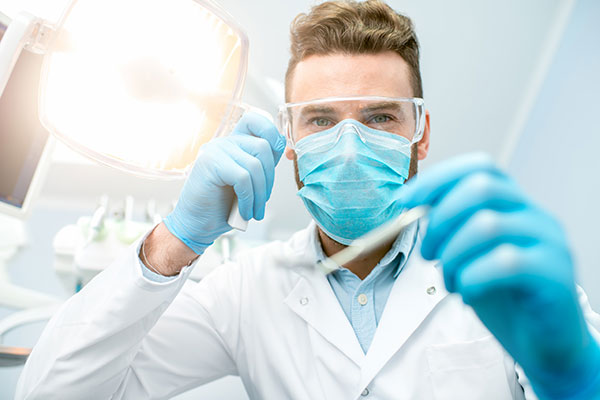
It is not unusual to only see a dentist’s eyes during a treatment. Other than that, patients see gloves, a surgical mask and a gown or jacket. This is basically dentists’ uniforms any time they clean the teeth. Those uniforms get an extra piece during procedures that involve blood or fluids. Then dentists throw on a face shield for some extra protection. When dentists are geared up, fluids cannot enter the nose or face.
While face shields and jackets can be cleaned, gloves, gowns and masks are disposable. The dentist leaves the treatment room and throws the PPE away. Just like that, the dentist is not protected from viruses or bacteria. Fortunately, additional PPE is available for the next procedure.
Additional instructions for the COVID-19 pandemic
While standard PPE is enough in normal times, the COVID-19 is not normal. Life has changed for the short term, and that includes the CDC’s guidelines. Now, dentists should wear the highest level of PPE available. Along with wearing a gown, eye protection and gloves for all procedures, dentists should also use an N95 respirator if possible. The N95 respirator should be discarded as soon as the dentist exits the treatment room. Regardless of some online myths, these masks should not be reused.
Instructions when N95 respirators are not available
Due to the shortage in N95 respirators, the CDC has issued additional guidelines. Dentists can wear a full-face shield and surgical mask to perform emergency procedures if necessary. If dentists cannot meet the minimum requirements, they must refer patients to other providers. Dentists can find providers nearby who have the necessary PPE equipment. While it is never easy to refer patients, this is critical for avoiding infection.
PPE per CDC guidance protects both dentists and patients
Dentists are often on the frontlines during health scares. The providers must protect themselves from these diseases so they can continue to treat patients. By using PPE per CDC guidance, dentists can avoid exposure to COVID-19 and other illnesses. Then, dentists can continue to serve their patients.